What Is Paprika Made Of? The Truth Behind the Spice That Elevates Food Around the World
Paprika may be one of the most universally recognized spices in kitchens across the globe, yet surprisingly few people know what it is actually made of or where it comes from. From its vibrant red color to its rich, often smoky flavor, paprika has become a staple in countless recipes — but behind its familiar name lies a fascinating story that spans continents, cultures, and centuries.
This article breaks down the truth behind paprika: its origins, how it’s made, why it tastes the way it does, and how culinary traditions have shaped what we think of as “paprika” today.
What Is Paprika?
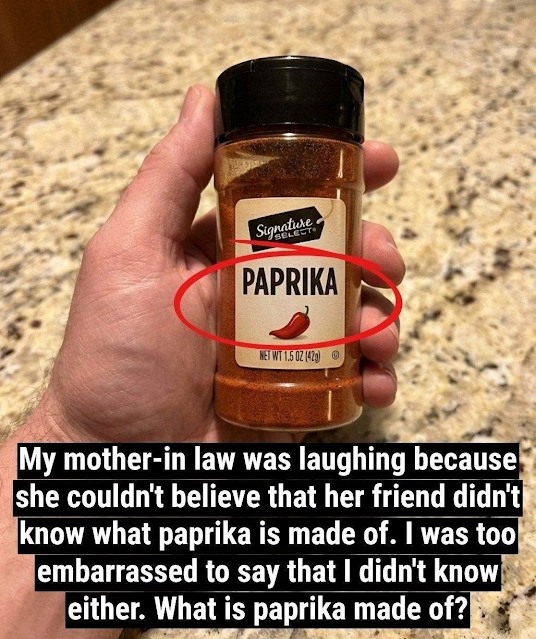
Paprika is a ground spice made from dried fruits of certain varieties of Capsicum annuum, a species of pepper that includes bell peppers, chili peppers, and many ornamental types. But unlike parent spices such as cayenne or chili powder — which are made from hot peppers — paprika is usually made from milder, sweeter peppers that range from sweet to mildly pungent.
The end result is a deep red powder with a flavor profile that can be sweet, earthy, bitter, fruity, or smoky, depending on the type of peppers used and how they were processed.
Origins and History
Paprika’s story extends across continents:
✦ Origins in the Americas
The pepper plants that paprika comes from — like all capsicums — are native to the Americas. Indigenous peoples in regions that are now Mexico, Central America, and South America domesticated various peppers thousands of years ago. These early peppers would eventually spread around the world following European exploration in the late 15th and early 16th centuries.
✦ Arrival in Europe
Paprika as a term and spice primarily emerged in Europe after Portuguese and Spanish explorers brought peppers back from the New World in the 16th century. While initially adopted for ornamental use and novelty, peppers quickly found their way into food.
In countries like Spain and Hungary — two nations most closely associated today with paprika — pepper cultivation flourished, and local traditions developed around drying and grinding the fruit into an aromatic powder.
✦ Hungary and Paprika’s Rise to Fame
In Hungary, paprika became not just a spice — but a symbol of national cuisine. By the 19th century, pepper cultivation was widespread, and Hungarian paprika became highly prized for its unique flavor and vibrant color.
Today, names like Hungarian sweet paprika and Hungarian smoked paprika are widely recognized among chefs and home cooks alike.
How Paprika Is Made
Continued on next page