Step 1: Choosing the Peppers
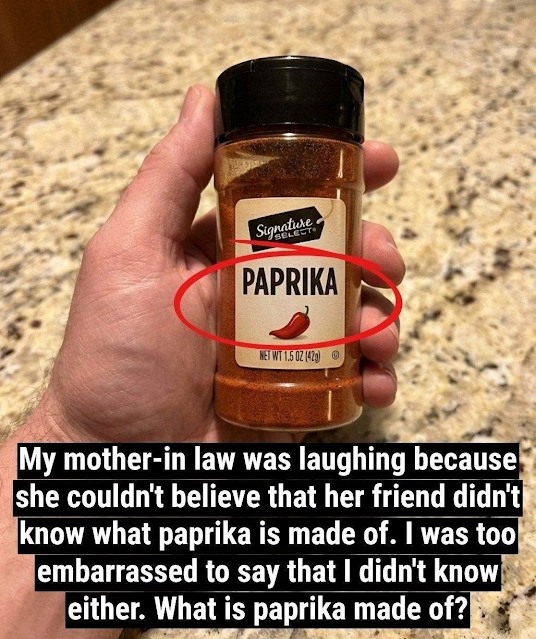
Unlike hot chili powders made from spicy peppers, paprika typically comes from mild pepper varieties specially grown for flavor and color. These peppers are selected for low heat and rich red pigmentation.
Popular cultivars used for paprika include:
Kapija peppers (Balkan region)
Delicatee peppers (Hungary)
C. annuum var. minor (various milder strains)
The best paprika comes from peppers with thick flesh and high levels of natural sugars, which produce a sweeter, richer powder.
Step 2: Harvesting and Drying
Once the peppers are fully ripe, they’re harvested and dried. This can be done in a few different ways:
Air‑drying: Traditional method where peppers dry naturally in the sun or shaded spaces.
Oven or kiln drying: Controlled drying to retain flavor and prevent mold.
Smoking during drying: Used in Spanish paprika (pimentón), where peppers are smoked over oak fires before grinding.
Drying concentrates the flavors and removes moisture, making the peppers suitable for grinding into a powder that’s shelf‑stable.
Step 3: Grinding
After drying, peppers are cleaned, stems and seeds may be removed (depending on the style), and then they’re ground into a fine powder.
The grinding process is crucial — mechanical methods help create a consistent texture and distribute oils evenly, which influences both flavor and color.
Paprika Varieties: Understanding the Differences
Not all paprika is the same. The most common categories include:
✦ Sweet Paprika (Mild)
Made from mild red peppers.
No heat, primarily used for color and sweetness.
Common in Hungarian and general European cooking.
✦ Hot Paprika
Includes portions of hotter pepper flesh or seeds.
Slight “kick” but still milder than chili powder.
Used in dishes that need both color and a bit of heat.
✦ Smoked Paprika (Pimentón / Pimentón de la Vera)
Peppers are smoke‑dried over wood before grinding.
Distinctive smoky aroma and flavor.
Spanish smoked paprika is a cornerstone of Spanish cuisine.
✦ Hungarian Paprika Grades
Hungary has a grading system that classifies paprika by flavor and color density — for example:
Noble sweet: Mild and bright red — classic paprika flavor.
Delicate: Milder, lighter sweet flavor.
Exquisite: Rich and slightly piquant.
Csípősmentes csemege: Mild, near‑no heat dessert paprika.
Each variety contributes a slightly different flavor or depth to recipes.
Culinary Uses Around the World
Paprika’s versatility is one of its defining traits.
✦ Hungarian Cuisine
Hungary’s most iconic dish, goulash, relies on paprika for both flavor and color. Paprika also seasons stews, soups, sausages, and rice dishes.
✦ Spanish Cuisine
Spanish cooking uses pimentón in dishes like chorizo, paella, and potatoes bravas — where the smoky paprika adds depth and warmth.
✦ Middle Eastern and African Cuisine
Paprika is used as a mild, sweet flavor enhancer in spice blends like harissa and ras el hanout, and as a garnish on hummus and kebabs.
✦ American and Global Use
Continued on next page