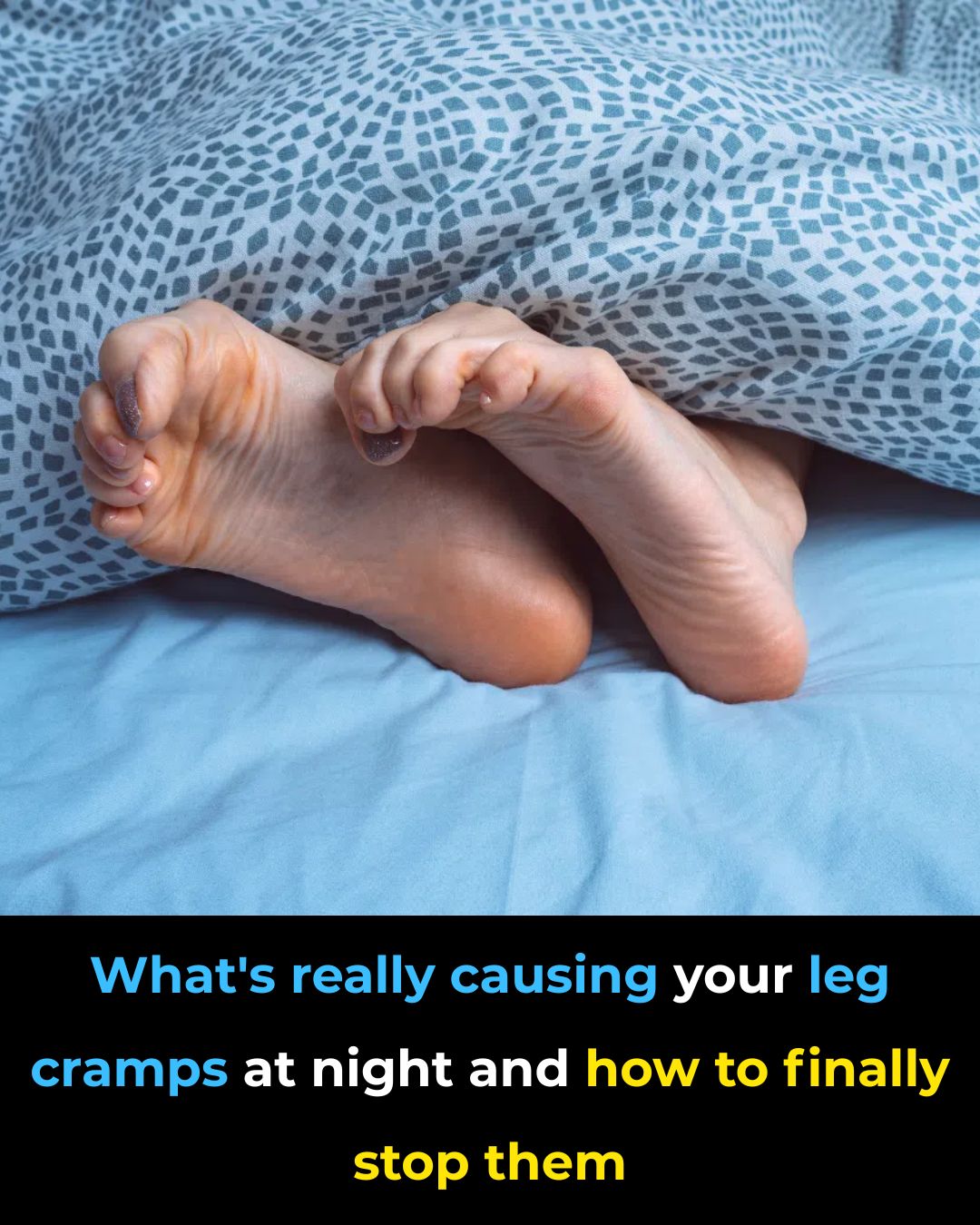
Have you ever been woken up in the middle of the night by a strong cramp in your leg that felt as if it was going to tear your muscle apart?
It can cause a lot of pain and steal away a chunk of your precious sleep. Although no one is immune to them, cramps are more common in older people, and about 1 in 3 people over the age of 60 experience them regularly.
There are some simple steps you can take to prevent the cramps and ease their onset. In some cases, it’s also important to look for the underlying cause and address it.
What Causes Muscle Cramps?
In many cases, the reason for these painful contractions is unknown – in the medical jargon, the condition is referred to as ‘idiopathic leg cramps’.
Other reasons could be:
Extreme exercise – you may have been exercising a lot and the muscles got tired, so they started to spasm.
Pregnancy – pregnancy can be associated with nighttime cramps, especially in the later stages.
In some cases, however, cramps are a symptom of another problem you might not even be aware of. Some of the conditions that can cause leg cramps include:
Dehydration – when your body loses a lot of fluids, the salt levels get depleted, which can trigger the muscles in the legs to contract. Usually, the reason for dehydration is not drinking enough, but severe diarrhea and vomiting can cause it as well. Make sure you are aware of the 7 warning signs of dehydration.
Deficiency in potassium, calcium or other minerals (such as magnesium).
Specific medical conditions such as kidney disease, thyroid disease (see the signs in this post), liver problems and multiple sclerosis.
Conditions that affect the blood flow, for example, peripheral arterial disease.
Some infections or exposure to toxins – for example, high levels of lead or mercury can result in leg cramps. You may want to try this heavy metal detox smoothie.
Cramps can also be a side effect of some medicines you might be taking. Examples include:
Diuretics
Medications to lower high cholesterol (statins)
Some anti-psychotic drugs
Birth control pills
Steroids
How to Deal with Cramps When they Happen?
The sudden pain can be excruciating and it’s good to have a technique you can easily employ.
Stretch and massage the area. You can also try some stretching positions: bend your foot at the ankle, so that your toes are pointing toward the shin. Initially, this might be very painful, but the pain will subside.
Doing stretching exercises is also one of the 70 habits featured in my e-book 70 Powerful Habits For A Great Health which will guide you how to take positive steps to improve your wellness and overall health.
Take a warm shower or a bath. For a quicker relief, use a heating pad.
Some experience pain relief if they apply some ice or a cold pack.
Walk around and jiggle your painful leg. Try walking on your heels, which will stretch the muscle.
Painkillers usually don’t act fast enough to help with cramping. You can take paracetamol to ease the muscle tenderness which can persist for up to 24 hours after the cramp occurs.
The Best Ways to Prevent Muscle Cramps
If you think that cramps are brought on by your medications, discuss it with your doctor to see if there are any alternatives.
If you experience some other symptoms that might be worrying you, get it checked out to exclude any possible secondary reasons.
Make sure you drink enough water and don’t drink alcohol in excessive amounts.