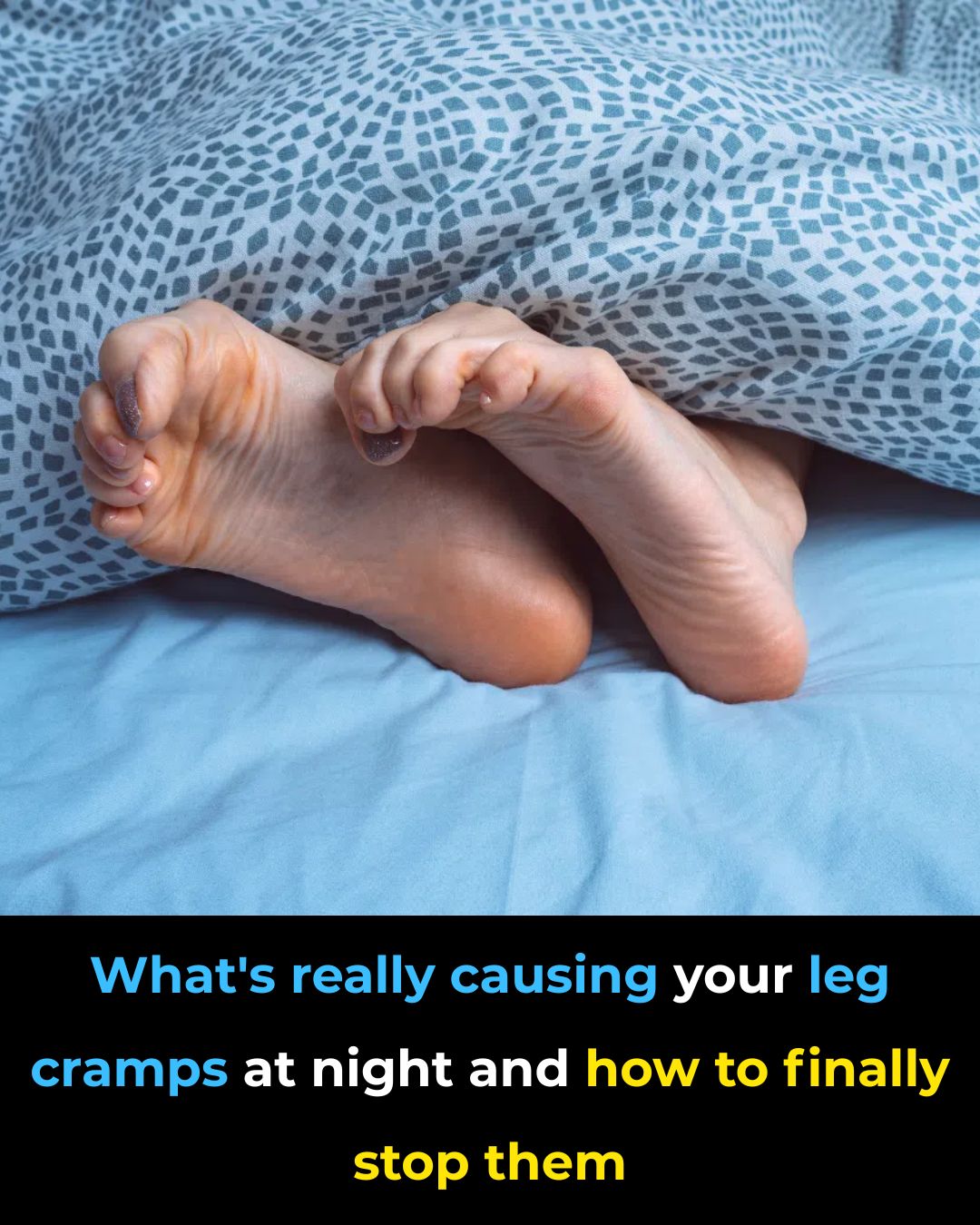
Eat a balanced diet and ensure you get enough potassium, calcium and magnesium (make sure you are aware of the warning signs of magnesium deficiency). You might need to consider taking a supplement if you feel you are not getting enough vitamins and minerals with your daily diet.
Many doctors believe that stretching exercises can ease the frequency and severity of the cramps. The research on the subject is limited and the findings non-conclusive; however, it might be a good approach to try.
How to ease foot cramps at night - Stirling Podiatry Clinic
Stretching of the calf muscles
Stretch the affected muscles 3 times a day for about 5 minutes. Always stretch before and after exercise, and do the last session just before going to bed. It might take a few weeks before you notice any results, but persevere and you are likely to experience some improvement over time. To stretch the muscles:
Stand 60 to 90 centimeters from the wall.
Keep the soles of your feet on the floor and lean towards the wall.
Feel the muscles stretch and hold this position for 20 to 40 seconds.
Relax the muscles and then repeat again.
Why are my feet swollen? | Watsonia Podiatry
When to See a Doctor?
In most cases, nighttime cramps are just an annoyance and they quickly pass on their own. However, according to webMD you should see a doctor if you experience the following:
Severe and persistent cramping.
You think you had been exposed to a toxin such as lead.
You observe muscle weakness.
The cramping is preventing you from sleeping, which in turn affects your day to day life.
In the past, the medication quinine had been used as the last resort for treating leg cramps. It is no longer recommended as clinical studies did not prove its effectiveness. It also comes with potentially very serious side effects. Your doctor might consider other treatment options and/or ask you to keep a ‘sleep and cramp’ diary.