Stews, soups, and sauces
Roasted vegetables
Marinades and rubs
Eggs, rice, and grain dishes
Garnishes
The Economic and Cultural Impact
Paprika has become a source of economic pride and agricultural identity in regions like:
✦ Hungary
Paprika accounts for significant agricultural production, with entire regions known for breeding and drying peppers.
✦ Spain
Spanish smoked paprika (pimentón) is a key export and culinary emblem — particularly pimentón de la Vera, which carries Protected Designation of Origin status in the European Union.
The Spice Market Today
In a globalized spice market, paprika is widely available — but the quality varies greatly:
Fresh, vibrant paprika comes from peppers harvested at peak ripeness and processed with care.
Lower‑quality paprika may be blended with fillers or made from older, milder peppers.
Specialty paprika can be found in gourmet shops and world markets, while everyday paprika is sold in most supermarkets.
Understanding the differences in variety and origin can elevate your cooking and deepen your appreciation of the spice’s heritage.
Final Thoughts: More Than Just Red Powder
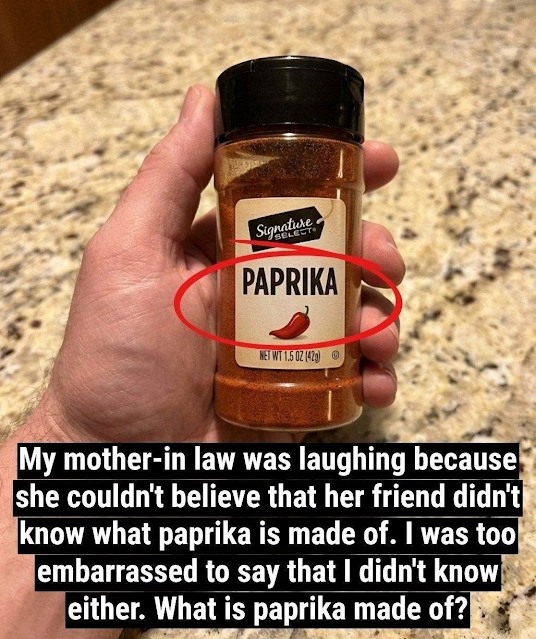
Paprika might seem simple at first glance — a red spice jar on the shelf — but underneath lies a rich tapestry of history, culture, agriculture, and culinary tradition. From its origins in the Americas to its transformation into a defining spice of Europe and beyond, paprika has become far more than a garnish: it’s an essential ingredient in dishes that define nations and cultures.
Whether you’re making a hearty Hungarian stew, adding smoky depth to Spanish chorizo, or merely sprinkling it on deviled eggs for color, understanding what paprika is made of — and why it tastes the way it does — enriches not just your food, but your connection to the world’s culinary story.