The Truth About the “Vein” in Shrimp
What It Is, Why It Exists, and When You Should Remove It
That thin dark line running along the back of a shrimp often causes confusion in the kitchen. Many people call it a vein and assume it is something harmful or dirty, but the reality is far less alarming. Understanding what this line actually is helps cooks make informed decisions and avoid unnecessary steps when preparing shrimp.Kitchen suppliesKitchen supplies
Discover more
Shrimp and prawn
Grilling
Salad
What the “Vein” Really Is
Discover more
grilling
Tomato
Prawn
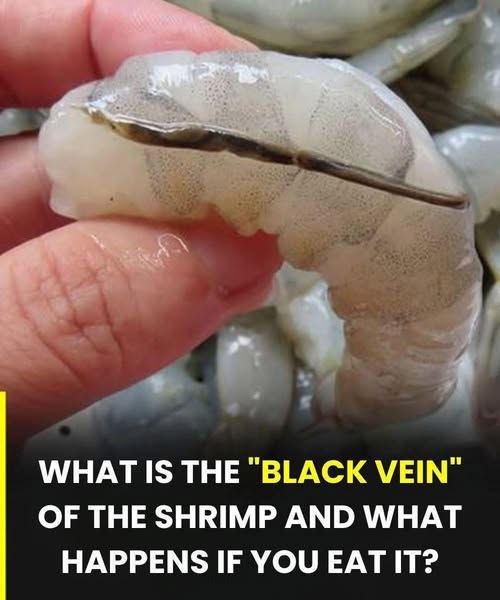
The dark line is not a vein at all. It is the shrimp’s digestive tract, which functions like an intestine. This tract contains undigested food and waste, usually made up of algae, plankton, or organic material from the water where the shrimp lived. The color can range from light brown to nearly black depending on the shrimp’s diet and size.
Shrimp do not have veins like humans. They have an open circulatory system, meaning their hemolymph flows freely inside the body rather than through closed blood vessels. This is why calling the tract a vein is technically incorrect.Groceries
The White Line Underneath the Shrimp
Sometimes a white or translucent line can be seen along the underside of the shrimp. This is not waste and not a vein. It is the shrimp’s nerve cord. It is harmless, tasteless, and usually left in place because removing it serves no purpose and can damage the shrimp’s appearance.
Discover more
grilled
Grilling
prawn
Is It Safe to Eat Shrimp Without Removing ItGroceries
Yes, it is completely safe. The digestive tract is not toxic and does not pose any health risk when shrimp are properly cooked. Many people eat shrimp with the tract intact their entire lives without any issues. Removing it is not a food safety requirement.
Discover more
yumrecipes
grilling
soups
When Removing It Makes Sense
In large shrimp, especially jumbo or extra large sizes, the digestive tract is thicker and more noticeable. In these cases, it can sometimes feel gritty or have a slightly bitter or muddy taste. For dishes where shrimp are the main focus, such as shrimp scampi, grilled shrimp, or elegant plated meals, removing it can improve both texture and appearance.
Discover more
salad
cheese
CHEESE
Presentation is another reason. When shrimp are peeled, butterflied, or served in salads and stir fries, removing the tract gives a cleaner and more refined look.