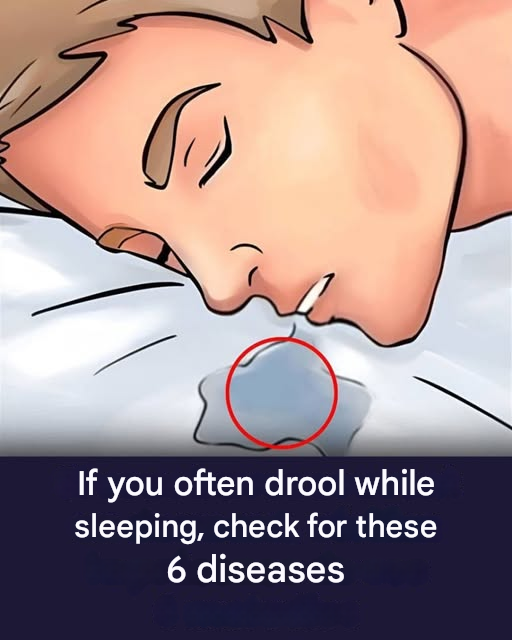
Drooling during sleep is something most people experience occasionally, especially when in a deep sleep. It can seem harmless and even amusing, but when it becomes a regular occurrence, it may be your body’s way of signaling an underlying medical condition. Persistent drooling—also known as sialorrhea or ptyalism—can be linked to several diseases and disorders, some of which require medical attention.
Here’s a closer look at why you might be drooling excessively while sleeping and six health conditions that could be responsible.
---
1. Sleep Apnea
Sleep apnea is a serious sleep disorder in which breathing repeatedly stops and starts during sleep. One of the lesser-known symptoms of sleep apnea is mouth breathing, which often leads to drooling. When your nasal passages are blocked or your airway collapses during sleep, you tend to open your mouth to breathe, resulting in saliva escaping during the night.
Other symptoms to watch for:
Loud snoring
Gasping or choking during sleep
Daytime fatigue or drowsiness
Morning headaches
If you suspect sleep apnea, it's important to consult a doctor. Left untreated, it can lead to serious cardiovascular problems and reduced quality of life.
---
2. Gastroesophageal Reflux Disease (GERD)
GERD is a digestive disorder where stomach acid flows back into the esophagus, causing discomfort and irritation. GERD can stimulate the production of excess saliva as the body attempts to neutralize the acid. This increase in saliva, especially while lying down, can lead to nighttime drooling.
Other signs of GERD include:
Heartburn or chest discomfort
Sour taste in the mouth
Chronic cough or sore throat
Difficulty swallowing
If you drool often and also experience symptoms of acid reflux, GERD could be the underlying cause.