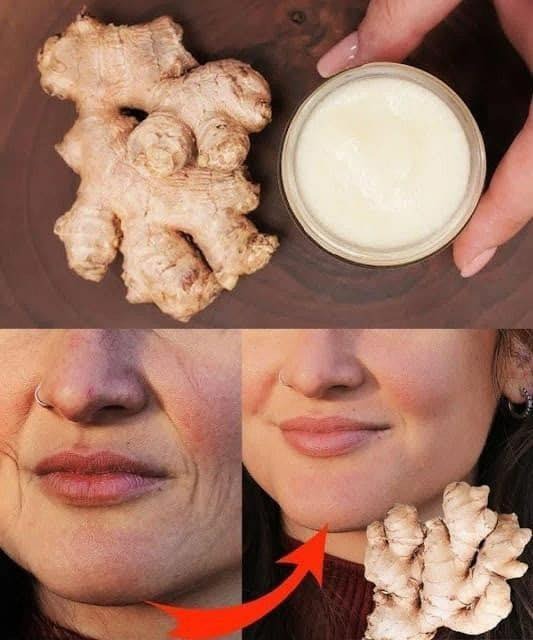
You know ginger as the spicy root in your stir-fries, teas, and holiday cookies.
But did you know it’s also been studied for its potential to support healthy skin?
Rich in antioxidants and anti-inflammatory compounds like gingerol, ginger has long been used in traditional medicine for circulation and healing. And yes — when used wisely, it can play a gentle role in natural skincare.
Let’s explore what science says about ginger and skin health — so you can make a DIY cream that feels good, looks fresh, and respects your skin’s limits.
Because real radiance isn’t about miracles.
It’s about nourishing your skin — naturally, gently, and with care.
 What Does Science Say About Ginger and Skin?
 What Does Science Say About Ginger and Skin?
Most research on ginger and skin comes from lab studies (in vitro) or animal models — not large human trials. Still, findings are promising in specific areas:
Antioxidant Protection
 Antioxidant Protection
Gingerols help neutralize free radicals linked to premature aging.
Anti-Inflammatory Effects
May soothe mild redness or irritation.
Improved Circulation
Topical warmth may boost blood flow, giving a temporary glow.
Antimicrobial Activity
Lab tests show ginger may inhibit acne-causing bacteria (P. acnes).
 These benefits are supportive, not replacements for proven skincare ingredients like retinoids, vitamin C, or sunscreen.
Important Safety Notes
Before making any DIY ginger product, keep these precautions in mind:
-
Skin Irritation: Raw ginger is potent and can cause stinging, redness, or rash.
-
Allergic Reactions: Some people react to topical spices — always patch test.
-
Not for Broken or Sensitive Skin: Avoid if you have eczema, rosacea, or cuts.
-
Photosensitivity Risk: Spicy ingredients may increase sun sensitivity — always use SPF.
 Never apply undiluted ginger juice or grated ginger directly to your face.
How to Make a Gentle DIY Ginger-Infused Skincare Cream
 How to Make a Gentle DIY Ginger-Infused Skincare Cream
This safer version uses a cooled ginger infusion instead of raw pulp, reducing irritation while preserving potential benefits.
Ingredients (Makes ~4 oz)
 Ingredients (Makes ~4 oz)
-
1 tsp dried organic ginger root (or a 1-inch fresh peeled slice)
-
¼ cup distilled water
-
2 tbsp unscented, hypoallergenic moisturizer (like CeraVe or Vanicream)
-
Optional: 1 tsp aloe vera gel (soothing)
-
Optional: 1 drop jojoba or grapeseed oil (for dry skin)
For oily or acne-prone skin: Skip the oils and use a lightweight gel moisturizer.
Instructions
Publicité
 Instructions