What Modern Science Says Today
The good news? The old “R-month” rule is no longer a universal requirement.
 Modern Farming & Refrigeration
 Modern Farming & Refrigeration
Most mussels sold commercially today are:
- Farmed under strict regulations
- Harvested from monitored waters
- Kept continuously refrigerated
This dramatically reduces spoilage and contamination risks.
Ongoing Water Quality Monitoring
In many countries, health authorities routinely test for:
- Harmful algal toxins
- Bacteria such as Vibrio
- Overall water safety
If toxin levels rise, harvesting areas are temporarily closed. Mussels only enter the market when they meet safety standards.
Safety Depends on Handling — Not the Calendar
Today, safety comes down to:
- Buying from reputable suppliers
- Keeping mussels properly chilled
- Cooking them thoroughly
- Discarding any that don’t open after cooking
In other words, how mussels are handled matters more than what month it is.
So… Can You Eat Mussels in Summer?
Yes — you absolutely can.
As long as your mussels:
- Come from regulated, monitored sources
- Are properly refrigerated
- Are cooked safely
They can be enjoyed year-round.
That said, in earlier times — before refrigeration and toxin testing — avoiding “non-R” months was a simple and clever survival guideline.
Final Takeaway
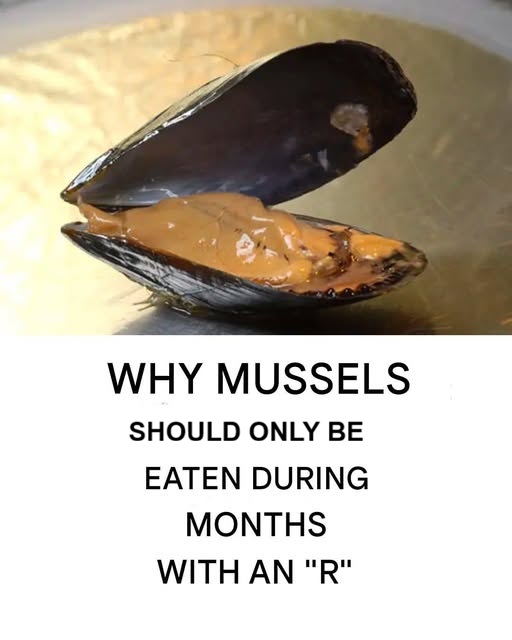
The “R-month” rule is mostly a historical tradition rooted in seasonal taste and safety concerns from a pre-refrigeration era.
Today, thanks to modern food safety systems and regulated aquaculture, mussels can be eaten safely in any month — including summer — provided they are sourced and prepared correctly.