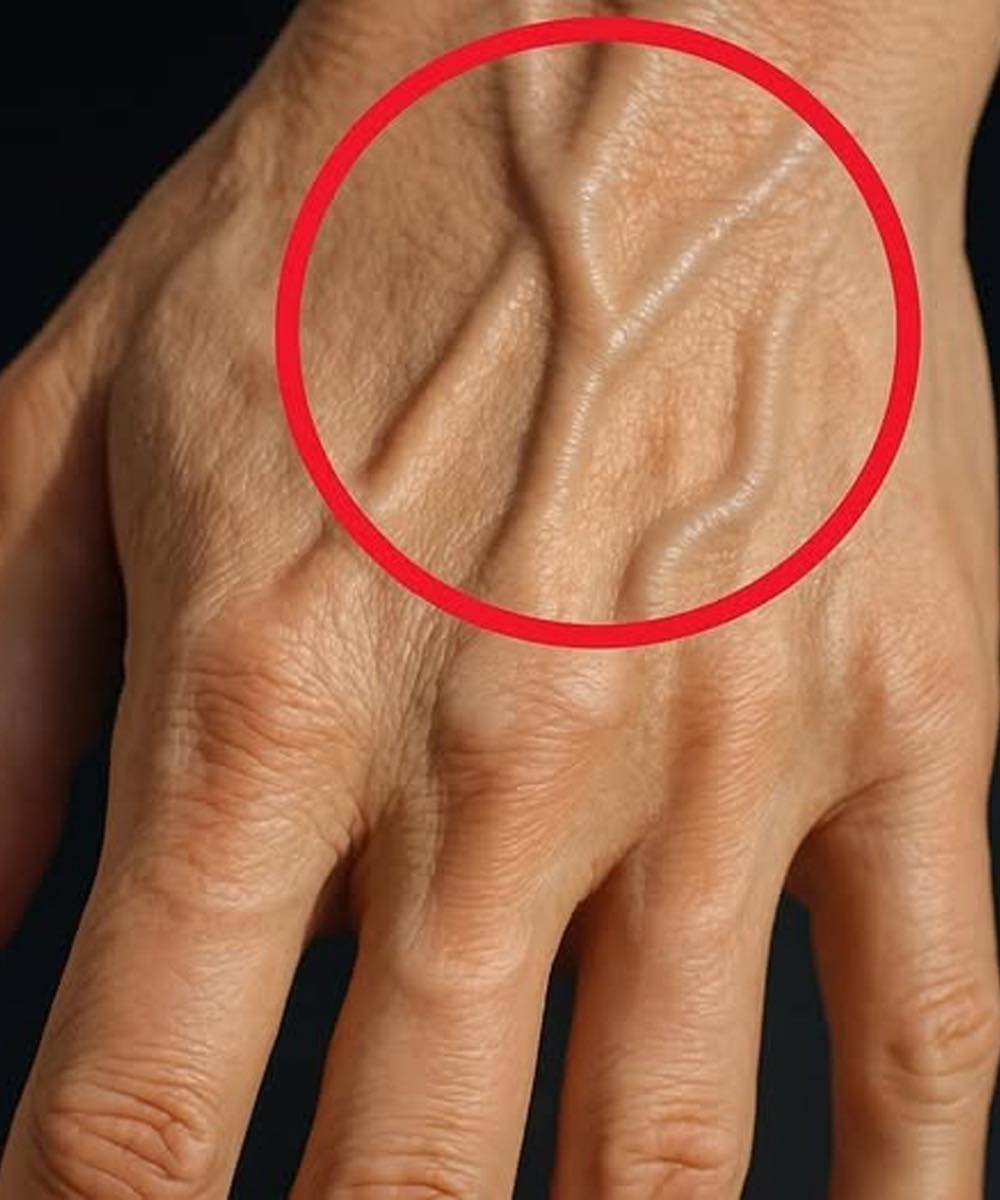
As skin thins and the fat layer beneath it decreases, veins become easier to see. This is especially common in older adults and people with lean body types.
On their own, visible veins are not a recognized sign of kidney disease.
How Kidney Disease Actually Affects the Body
Kidney disease primarily affects the body’s ability to:
Filter waste from the blood
Regulate fluid balance
Control blood pressure
Maintain electrolyte levels
In conditions like Chronic kidney disease, symptoms usually develop gradually and may include:
Swelling in the hands, feet, or face (edema)
Fatigue
Changes in urination
Foamy urine (protein in urine)
High blood pressure
Nausea or loss of appetite
Notice that prominent veins are not on this list.
The Role of Fluid Balance
Kidneys play a key role in fluid regulation. When they aren’t functioning properly, the body may retain fluid. This usually causes puffiness or swelling, not more visible veins.
In fact:
Swollen hands may make veins appear less visible.
Dehydration, on the other hand, can make veins look more prominent.
Mild dehydration reduces plasma volume, making veins stand out temporarily. While severe or repeated dehydration can strain the kidneys, visible veins alone are not proof of kidney damage.
When Veins Might Be Related to Kidney Conditions
Discover more
Legal document templates
Legal defense services
Family games
There are limited situations where veins and kidney disease intersect.